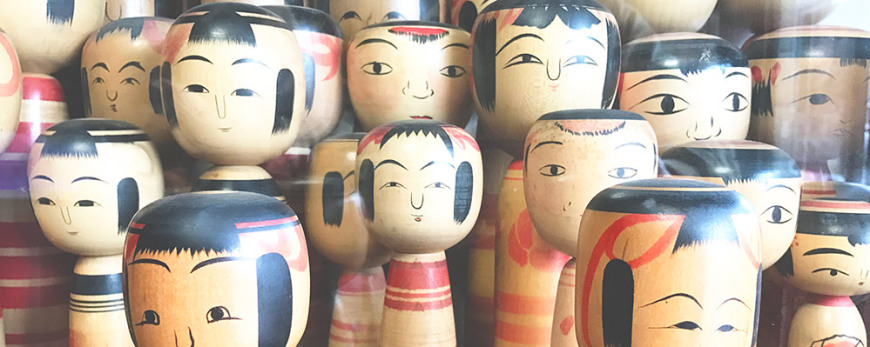
Tsuchiyu Onsen has been a well-loved kokeshi-producing onsen town for over 170 years. Kokeshi are painted wooden dolls, which have been produced in Japan since the late 18th century in onsen towns in Tohoku (the eastern region of Japan). Kokeshi were originally made and sold in onsen towns as souvenirs for visiting guests to takeContinue reading Spending a Winter Day in Tsuchiyu Onsen
Shiramizu Amida-do Temple in Iwaki
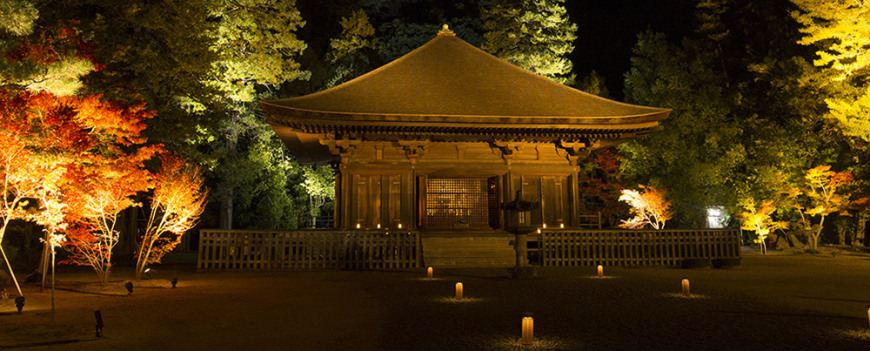
Shiramizu Amida-do is a beautiful, historic Buddhist temple in a serene and peaceful garden. For those planning a trip to Iwaki or Northern Ibaraki, it is a great place to add to your itinerary! What is an Amida-do? An Amida-do is a temple dedicated to the Buddha referred to as Amida Buddha. If you don’tContinue reading Shiramizu Amida-do Temple in Iwaki
Rural Towa Town & its Unique Festivals
It is rare for the same small Japanese town to be home to 2 festivals as different as those held in Towa, Nihonmatsu City. Towa is a satoyama – this means that the town has been built around the patches of arable land located on the border of mountain foothills. The above photos shown youContinue reading Rural Towa Town & its Unique Festivals
19th Century British Explorer Isabella Bird’s time in Ouchi-juku
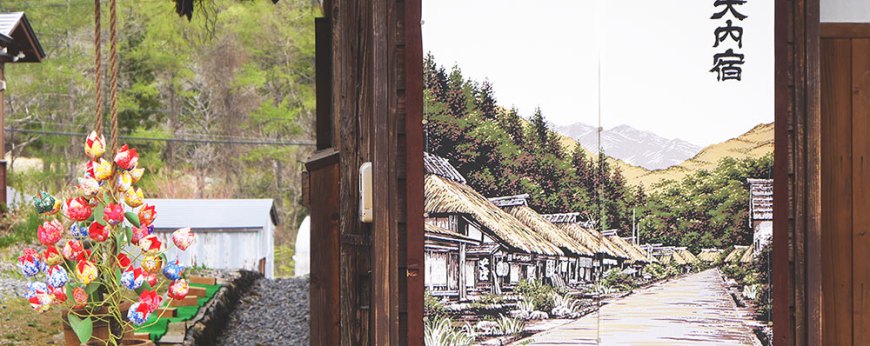
The historical post-town Ouchi-juku lies on the old Nikko-Aizu Road, which was taken by travellers passing between Nikko and Aizu Wakamatsu from the Edo period. Ouchi-juku was a key location where travellers could stop and rest for the night. Out of the many notable figures who have stayed in Ouchi-juku over the hundreds of years,Continue reading 19th Century British Explorer Isabella Bird’s time in Ouchi-juku
Photos from Ouchi-juku
Every time I visit Ouchi-juku, I notice new, amazing things about it. I thought I’d document a few of them in this post. I love taking photographs at Ouchi-juku, so I’d like to let my photos do the talking for the most part! See more posts about Ouchi-juku here Information from Fukushima Prefecture Tourism AssociationContinue reading Photos from Ouchi-juku
Kitakata’s Mitsuya District & Historic Red Brick Kiln
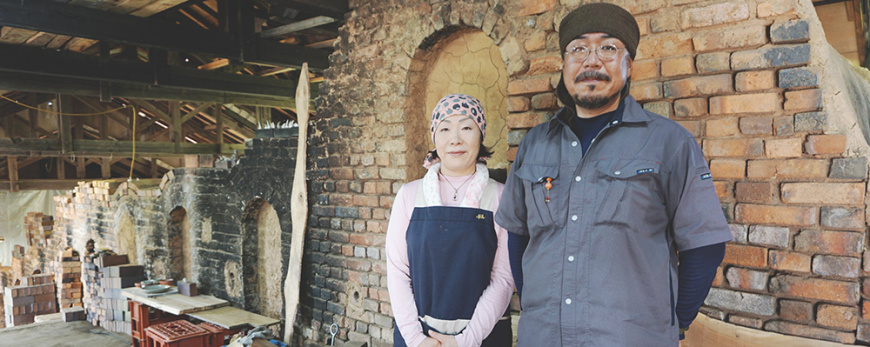
Kitakata City is famous across Japan for 2 things – ramen and warehouses! Kitakata City’s warehouses have been used for hundreds of years for the production of ingredients integral to Japanese cooking, such as miso, mirin and soy sauce, among many more. The incredibly clear water of Mt Iide is thought to makeContinue reading Kitakata’s Mitsuya District & Historic Red Brick Kiln
Vintage Shoe Shop in Kitakata’s Picturesque Streets
Kurosawa Kirizai – a shop in Kitakata City where geta (traditional Japanese shoes) are made and sold – opened in 1912. For over 100 years ago, the Kurosawa family have prided themselves on their careful use of only the highest quality paulownia wood – grown locally of course - for the construction of their geta.Continue reading Vintage Shoe Shop in Kitakata’s Picturesque Streets
Historic Kabuki Performances Held in Hinoemata Village
This Friday a kabuki performance will be held at the magnificent open-air Hinoemata Kabuki Stage! What is Kabuki? Kabuki is a form of Japanese theatre born in the Edo period. It is different from Noh and Bungaku - the other 2 traditional forms of theater – through its use of vibrant costumes and make up,Continue reading Historic Kabuki Performances Held in Hinoemata Village
Enichi-ji Temple & More: Bandai Town’s Amazing History
I recently visited Enichi-ji, a temple in Bandai Town. The temple was founded about 1200 years ago at the foot of Mt Bandai, but was destroyed and abandoned during the early Meiji period, when there was a widespread movement to abolish Buddhism in favour of Shintoism. Although the various buildings included in the temple groundsContinue reading Enichi-ji Temple & More: Bandai Town’s Amazing History
Fukushima City Historical Architecture Park
Fukushima City Minkae-en (The Fukushima City Historical Architecture Park) imagines what life would have looked like hundreds of years ago in Fukushima Prefecture.Continue reading Fukushima City Historical Architecture Park